
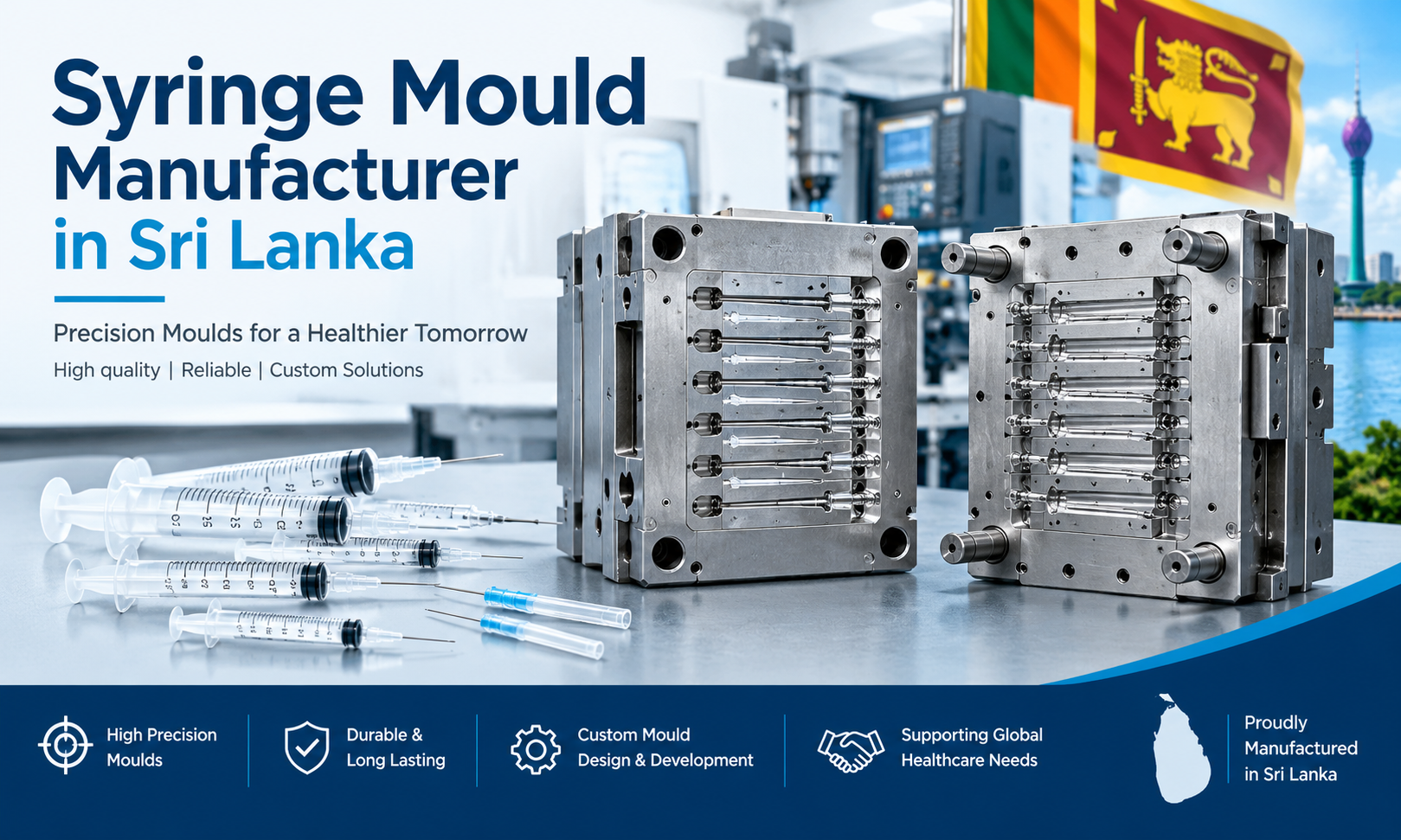
Choosing the right Syringe Mould Manufacturer in Sri Lanka is an important step for medical device manufacturers looking for consistent production and reliable mould performance. The quality of a mould can affect component dimensions, product fit, production efficiency, and maintenance requirements. A suitable mould should match the required syringe design, plastic material, and injection moulding machine. Before placing an order, manufacturers should understand the technical requirements and evaluate whether the supplier can meet their production needs.
For example, when a manufacturer produces syringe barrels and plungers, both components must meet their specified dimensions to support proper fitting and assembly. If the mould design or processing conditions do not meet these requirements, the manufacturer may face inconsistent parts or additional inspection work. This is why selecting a suitable Syringe Injection Mould Manufacturer involves more than comparing prices. Buyers should consider mould design, material compatibility, dimensional accuracy, inspection procedures, and technical support before making a decision.
What Makes a Quality Syringe Mould?
A syringe mould is designed to produce plastic components such as barrels, plungers, needle hubs, needle caps, and gaskets. Each component serves a different purpose and requires a mould that follows its design specifications. A properly planned Medical plastic injection mould should be developed around the required dimensions, material properties, and intended production process.
Manufacturers should discuss their component drawings, material grades, production targets, and critical dimensions before approving a mould design. These details help the supplier understand the application and identify important manufacturing considerations. Clear specifications also reduce the chances of misunderstandings during development and inspection.
Factors to Consider When Selecting a Syringe Mould Manufacturer
1. Manufacturing Experience and Technical Knowledge
Experience with syringe-related tooling can help a manufacturer understand component design requirements and common production challenges. When evaluating a Syringe Mould Manufacturing Company, ask about its experience with the specific mould you require. Check whether it can review your drawings, explain the proposed mould configuration, and clarify the inspection process.
2. Precision and Dimensional Accuracy
Mould precision affects the consistency of the components produced. Important dimensions, alignment, and the fit between related parts should be considered during mould development. Safety Syringe Mould focuses on translating the approved component design into tooling that can meet the agreed specifications. Buyers should ask how critical dimensions will be inspected and what sample parts or inspection records will be available for approval.
3. Material and Machine Compatibility
Different plastics have different processing characteristics, so material selection should be considered during mould planning. Buyers should share the required material grade and relevant injection moulding machine details with the supplier. This information helps the technical team evaluate whether the proposed tooling is suitable for the intended production setup. Any changes to the approved material or process should be reviewed before implementation.
4. Quality Inspection and Maintenance
Before finalising an order, discuss the inspection criteria, sample approval process, and maintenance requirements. Buyers should understand how the mould will be evaluated and which dimensions or component features need particular attention. They should also ask about maintenance guidance, spare parts, and technical assistance after delivery. Clear expectations help both parties manage the project more effectively.
Common Types of Syringe Moulds
Different syringe components require different mould designs. A syringe barrel mould produces the main body of the syringe, while a plunger mould forms the component that moves inside the barrel. Gasket moulds are used for sealing components where the design requires them. Needle hub and needle cap moulds produce the corresponding parts used in syringe assemblies.
When choosing a mould, buyers should provide the correct component drawing and explain the intended application. The mould configuration should be evaluated according to the component's dimensions, material, production volume, and machine compatibility. A supplier's experience with one type of mould should not automatically be taken as proof of expertise in every other type.
Common Mistakes to Avoid When Buying a Syringe Mould
One common mistake is selecting a supplier based only on the lowest quotation. The initial price may not reflect maintenance, inspection, tooling changes, or other project requirements. Buyers should compare quotations against the same technical specifications and confirm what each quotation includes.
Another mistake is sharing incomplete drawings or overlooking machine compatibility. Missing dimensions and unclear material details can lead to delays or differences in expectations. Before placing an order, confirm the component design, material grade, expected production volume, inspection requirements, delivery terms, and acceptance criteria. These steps help create a clearer working arrangement between the buyer and the manufacturer.
Why Choose Ashish Enterprises?
Ashish Enterprises, established in 2005, offers syringe moulds and related tooling for medical-device manufacturing requirements. Its listed product range includes barrel, plunger, gasket, needle cap, and needle hub moulds. The right mould depends on the buyer's component design, material specifications, production target, and manufacturing setup.
If you are planning a new mould project, prepare your component drawing, material details, expected output, and machine specifications before making an enquiry. Discussing these requirements with the supplier helps establish the scope of the project and identify the next steps. Ashish Enterprises welcomes enquiries from businesses seeking to discuss their syringe mould requirements and evaluate suitable tooling options.
Frequently Asked Questions
How do I choose a syringe mould manufacturer in Sri Lanka?
Review the manufacturer's relevant experience, technical capabilities, inspection process, machine compatibility, maintenance support, and quotation details. Ask questions about your specific component and confirm the project requirements before placing an order.
What information is required for a syringe mould quotation?
Share the component drawing or 3D model, material specification, required dimensions, expected production volume, machine details, and inspection requirements. If some details are not final, explain which specifications still need confirmation.
Why is precision important in syringe mould manufacturing?
Precision helps components meet their approved dimensions and design requirements. Depending on the component, dimensional variation may affect fit, assembly, appearance, or function. Critical dimensions should be checked against the agreed specifications.
What should buyers check before approving a mould?
Review the design, material compatibility, machine requirements, inspection criteria, sample approval process, maintenance needs, and delivery terms. Confirming these details in advance helps reduce misunderstandings during production.
Discuss Your Syringe Mould Requirements
Selecting a suitable mould starts with understanding your product and production needs. Clear specifications and effective communication help buyers evaluate tooling options and make informed decisions. Contact Ashish Enterprises to discuss your syringe mould requirements and share the technical details needed for an initial review.